

Eid al-Adha: Alebtong ARDC Okello Calls on Muslims to embrace wealth creation initiatives
"I call upon our religious leaders to guide our people toward the four-acre model, which promotes high-yield commercial farming, alongside the Parish Development Model (PDM) and Emyooga programs," Okello stated
 Frank Oyugi
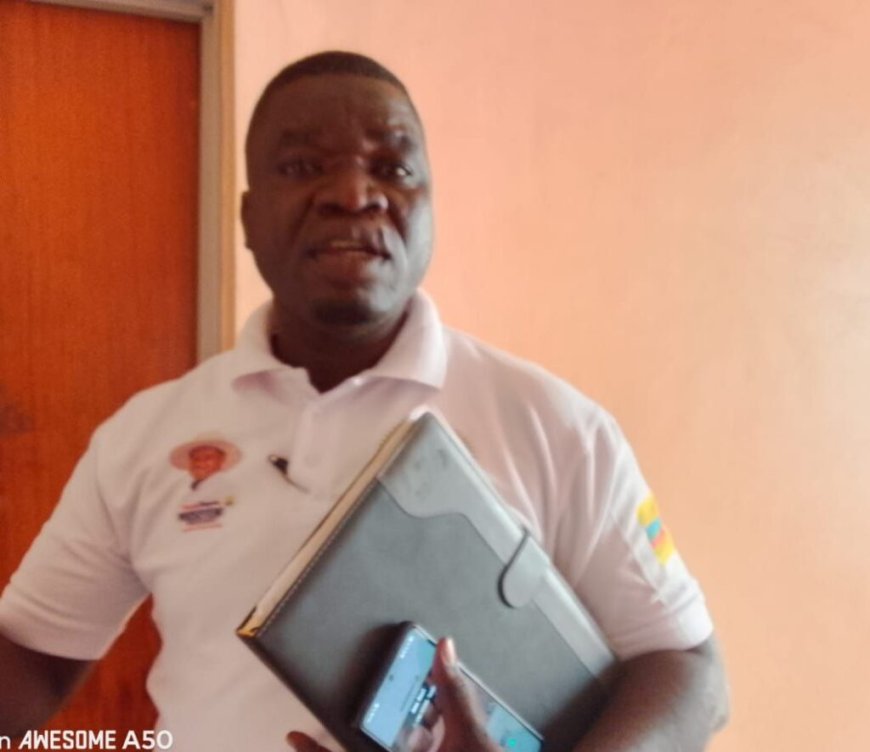
ALEBTONG — The Assistant Resident District Commissioner (RDC) of Alebtong, Jimmy Okello, has commended the Muslim community in Alebtong and across Uganda for their spiritual dedication and successful prayers that have culminated in today's global Eid al-Adha celebrations.
Speaking to Radio Qfm on Wednesday as believers gathered to mark the Feast of the Sacrifice, Okello observed that the Islamic faith remains foundational in shaping the moral fabric of the nation. He praised Islam as a religion rooted in the promotion of enduring peace, unity, and communal harmony.
"The Muslim faith has been crucial in shaping the morals of the citizens of this country," Okello noted, echoing the teachings of the Holy Quran in Surah Al-Hujurat (49:10), which reminds believers that "The believers are but brothers, so make settlement between your brothers and fear Allah that you may receive mercy."
As Muslims celebrate this holy day, Okello urged them to utilize the season to deeply reflect on their faith while actively promoting absolute peace and solidarity within their neighborhoods.
However, the Assistant RDC emphasized that spiritual growth must be matched with economic empowerment. Representing the President, Okello appealed directly to Muslim clerics, including regional Imams, to use their platforms to rally believers toward government wealth creation initiatives.
Specifically, he urged the community to embrace President Yoweri Museveni’s strategic economic interventions designed to transition citizens out of subsistence farming.
"I call upon our religious leaders to guide our people toward the four-acre model, which promotes high-yield commercial farming, alongside the Parish Development Model (PDM) and Emyooga programs," Okello stated.
He concluded by noting that active participation in these state frameworks is the most reliable pathway for Muslim households to significantly enhance their domestic incomes, achieve financial self-reliance, and decisively eliminate household poverty.